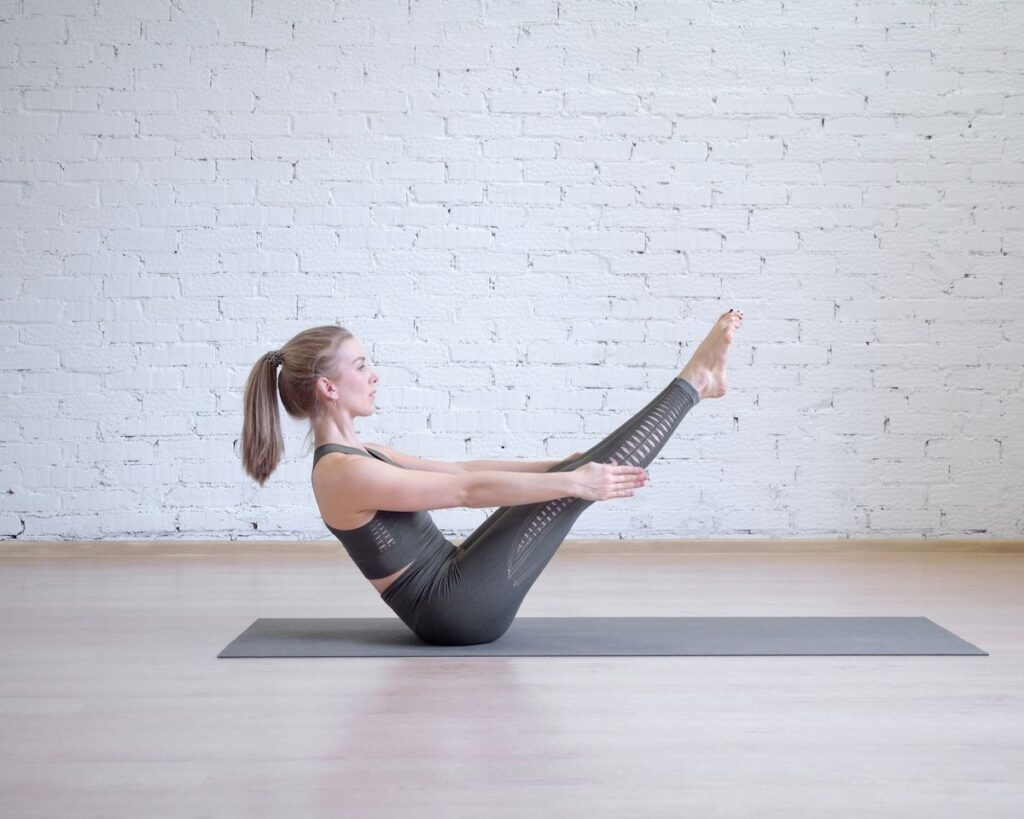
Pranayama: Harnessing the Power of Breath
Breathing is something we often take for granted. Yet, in yoga and holistic health practices, the breath is seen as the bridge between body, mind, and spirit. Pranayama, a Sanskrit word meaning “extension of life force through breath control”, is a powerful practice that helps you unlock inner calm, mental clarity, and physical vitality.
What is Pranayama?
Pranayama is an ancient yogic practice that focuses on conscious breathing techniques. The word comes from two Sanskrit roots:
- Prana – life force or vital energy
- Ayama – control or extension
Together, pranayama means regulating the life energy through the art of breath.
Benefits of Practicing Pranayama
- Physical Health
- Improves lung capacity and oxygen intake
- Strengthens the respiratory system
- Boosts immunity and overall energy levels
- Mental Clarity
- Reduces stress, anxiety, and restlessness
- Improves concentration and memory
- Promotes better sleep
- Emotional Balance
- Cultivates calmness and patience
- Helps manage anger and frustration
- Encourages mindfulness and positivity
Popular Types of Pranayama
- Nadi Shodhana (Alternate Nostril Breathing)
Balances the left and right brain hemispheres, bringing harmony to the body and mind. - Kapalabhati (Skull-Shining Breath)
A cleansing breath that detoxifies the system and energizes the mind. - Bhramari (Bee Breath)
Produces a humming sound to calm the nervous system and ease anxiety. - Ujjayi (Ocean Breath)
A soothing technique often used during yoga asanas, promoting focus and stability. - Bhastrika (Bellows Breath)
A dynamic breath that boosts energy, clears lethargy, and ignites vitality.
How to Start Practicing Pranayama
- Choose a calm, quiet space.
- Sit comfortably with your spine straight.
- Begin with 5–10 minutes daily and gradually increase.
- Practice on an empty stomach, preferably in the morning.
- Learn from a qualified yoga teacher if possible, especially for advanced techniques.
Safety Precautions
- Avoid overexerting while breathing.
- People with heart issues, high blood pressure, or respiratory illnesses should consult a doctor before practicing.
- Always listen to your body and practice mindfully.
Conclusion
Pranayama is more than just a breathing exercise — it’s a holistic practice to nurture your body, mind, and soul. By taking just a few minutes each day to connect with your breath, you can invite peace, vitality, and balance into your life.